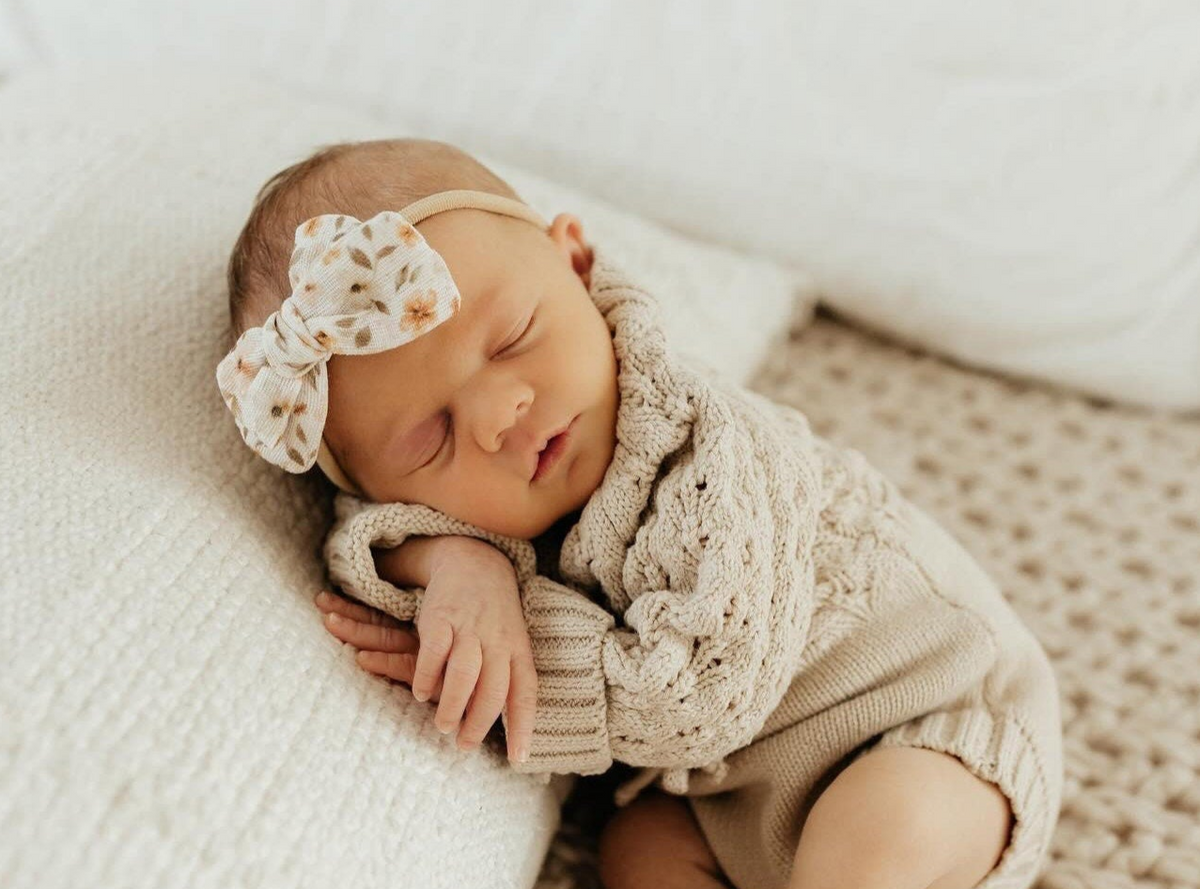
Why More Parents Are Choosing Natural Fibers for Their Children

Reading Time - 6 minutes
Every Choice We Make for Our Children Matters
As parents, we spend countless hours researching the best car seats, nutritious foods, gentle skincare products, and safe toys. Yet one important choice is often overlooked: the clothing our children wear every single day.
From the moment they wake up until they drift off to sleep, babies and children spend nearly every hour wrapped in fabric. Clothing is in constant contact with their skin, making it worth understanding what those fabrics are made from.
At Olive & Cradle, we've chosen to build every collection around natural fibers like 100% cotton and linen because we believe comfort, quality, and thoughtful materials matter.
Natural Fibers vs. Synthetic Fibers
The biggest difference between fabrics is where they come from. Natural fibers are derived from plants or animals and include -
- Cotton
- Linen
- Wool
- Hemp
Synthetic fibers, on the other hand, are manufactured using petroleum-based plastics. These Include -
- Polyester
- Nylon
- Spandex
- Acrylic
Both have their place depending on the garment's purpose, but for everyday children's clothing, natural fibers are highly recommended because of their softness, breathability, non toxicity and timeless durability.
Harmful Effect of Synthetic Materials
1. Poor Breathability & Moisture Trapping
Children are constantly moving, playing, climbing, and exploring. Their bodies also regulate temperature differently than adults.
Natural fibers like cotton and linen absorb moisture and allow air to circulate more freely unlike synthetic fabrics which trap sweat and heat. Instead of evaporating, moisture can accumulate, leading to a clammy feeling and high skin humidity. In sensative children, this trapped heat and sweat can trigger irritation and heat flare-ups.
By contrast, natural fibers like cotton and linen allow more airflow and absorb moisture at the skin surface, helping keep the skin cooler and drier. This can help clothing feel more comfortable throughout the day. For babies especially, breathable fabrics can make everyday wear more comfortable during naps, playtime, and warm weather.
2. Skin Irritation
Many doctors and studies note that synthetic fabrics can irritate sensitive skin. Dermotologist have long reccomended cotton and silk for atopic children, noting that rougher and synthetic fibres such as polyester and nylon can worsen atopic symptoms, unlike cotton which is more soothing on the skin. Even the more gentle synthetics contain elastic fibres or coatings that could irritate the skin. Individuals with sensative skin report feeling more itchy while wearing synthetic fabrics as compared to natural.
3. Chemical Additives & Finishes
To acheive the desired properties, synthetic textiles often need to be chemicaly treated. These chemicals include flame retardants, stain or water resistant coatings, formaldehyde coating (for wrinkle resistance), PFAS, antimicrobal finishes, plasticizers, dyes, and UV-protectant chemicals. These chemicals are known for either off-gassing or leaching onto skin. For example, poluflouroalkyl substances (PFAS) are commonly used in water repellant fabrics such as children's coats and rain gear. PFAS exposure is associated with immune, metabolic, and developemental issues, and younger children are especially vulnerable. Likewise, flame retardant chemicals which are added to kid's pajamas or car seats are linked to endorcrine and neurodevelopemental effects, esspecialy in toddlers.
4. Microplastic Shedding
Every time synthetic clothing is worn or washed, it realeases tiny plastic fibers into the air and into your skin. A study showed that simply moving around in polyester garments can shed billions of microfibers per year into indoor air or dust. Young children can inhale or ingest these fibers along with house hold dust while crawling, playing on the floor, or putting object into their mouth. Although the effect of microplastics are still being studied, research suggests that these particles are associated with chronic inflammation, hormonal and endocrine distruption, cardiovascular issues, and even damage on a cellular level.
What can you do?
Creating a more natural wardrobe doesn't mean replacing everything overnight. Instead, consider making small, thoughtful choices as your family grows:
- Read Clothing Labels before buying and avoid labels like "wrinkle-free", "permanent press", "stain-resistant", "showerproof" or "water repellant" (which imply chemical treatments).
- Choose quality over quantity. Synthetic fabrics will always be cheaper than natural ones, but come with a price.
- Invest in timeless pieces that last.
- Stay away from synthetic fabrics.
- Support brands that believe in sustanable and healthy clothing.
- Swap out commonly used plastic in your home such as bottles, plastic bags, harmful chemicals and non natural cleaning products.
- Replace plastic children's toys with wooden ones which are safe for babies to put into their mouth.
Every purchase is an opportunity to choose products that align with your family's values.
Our Philosophy
At Olive & Cradle, we believe that every good and perfect gift comes from above—including the natural resources God has graciously provided for us. We believe He created the earth with everything needed to produce fabrics that are gentle, breathable, and nourishing for our skin.
That's why we choose cotton and linen as the foundations of every piece we create. While synthetic fabrics may offer a lower price, we believe there's lasting value in clothing made from natural fibers—especially for babies and children with delicate, developing skin.
Every child deserves clothing that is comfortable, thoughtfully made, and created with their well-being in mind. We are committed to making high-quality, natural clothing at a fair and accessible price, so more families can choose fabrics that are as kind to their children as they are beautiful.
From timeless designs to carefully selected materials, every Olive & Cradle piece is made to be loved, passed down, and worn through every season of childhood.
Take a peek at our collection, carefulle curated with out favourite natural basics and non toxic toys that your little one will love! Use code NONTOXIC at checkout to receive a 10% off!
Sources:
https://www.aad.org/public/diseases/eczema/types/contact-dermatitis
https://www.epa.gov/formaldehyde/facts-about-formaldehyde